



Leadership expectations have shifted faster in the past five years than in the previous two decades. Flexibility, purpose, and feedback used to be considered optional. They are now baseline expectations of the current generations at work. This change is not driven by trends or preferences but by how work actually gets done in environments that are shaped by uncertainty, technology advances, and constant change.
Leaders who rely on old assumptions are feeling it as teams tend to disengage faster and performance becomes harder to sustain. The challenge is understanding what these expectations mean and what’s the best way for leadership to meet them.

Flexibility and trust
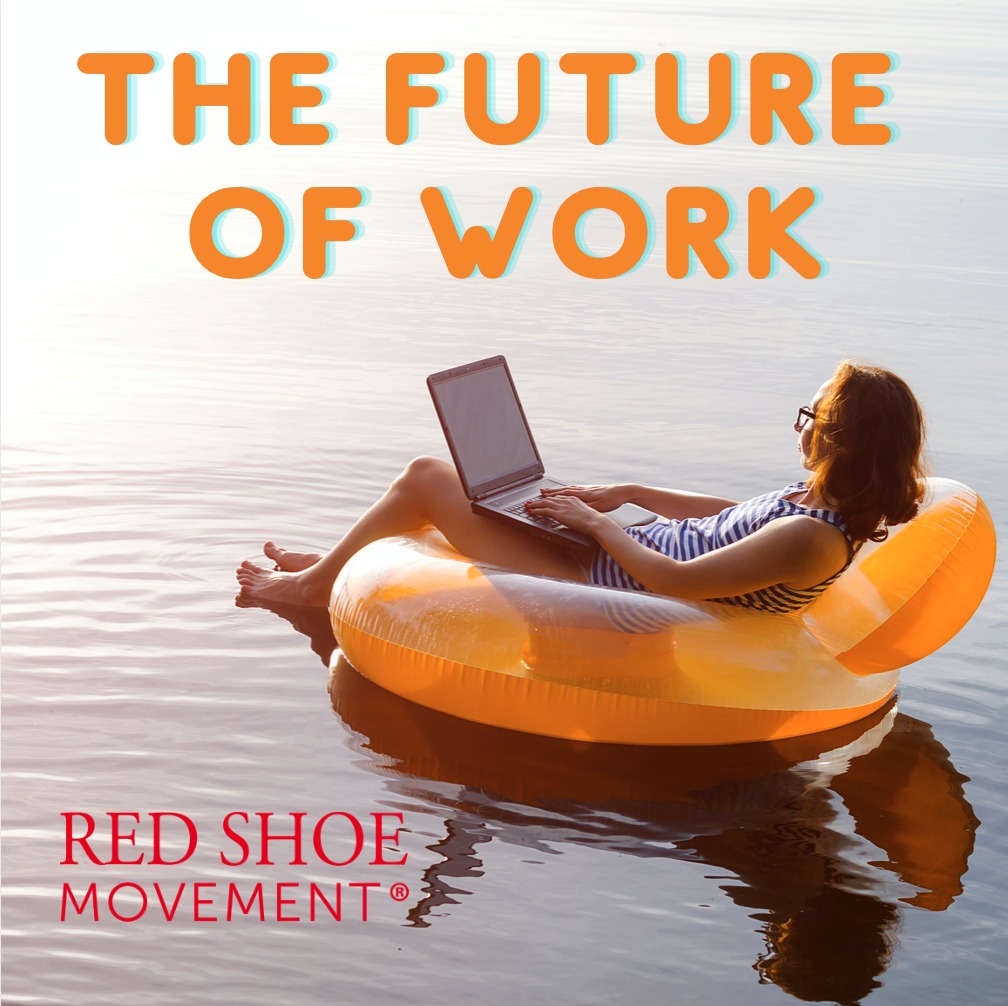
Leaders often assume flexibility has to do with where and when work happens. But research tells a more interesting story: it shows that flexibility increases engagement.
People want discretion over how they deliver results. They want to feel trusted to make trade-offs. So, if you are a leader and you focus on outcomes rather than presence in the office, you will build stronger commitment. This requires for you to be explicit about priorities and non-negotiables. Because when you offer flexibility with clear goals you promote accountability and ownership.
It’s clear that today, leaders are responsible for creating the conditions where people can do their best work rather than supervising how work gets done.
Purpose has become operational
Research on motivation shows that people stay engaged when they understand how their work contributes to something meaningful and when leaders act consistently with stated values. In other words, when they feel they matter. This doesn’t mean everyone needs a grand sense of mission every day, but it does mean that leaders need to connect work to impact in concrete ways. For example, being clear about: Why this project matters now. Who benefits from this decision. What problem are we actually solving. How a person’s work contributes to the team’s or the company’s goal.
On the one hand, when purpose is absent, all efforts feel transactional. On the other, when purpose is clear, people tolerate change better and recover from setbacks faster. When the purpose is clear, it provides context, and context reduces fatigue.
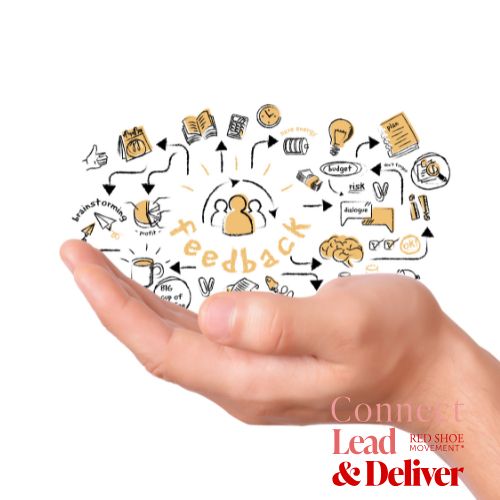
Feedback is expected to be continuous and usable
In the old workplace, annual reviews were accepted as the standard. But that is no longer sufficient. Research on learning and performance shows that feedback is most effective when it is timely, specific, and actionable. People want to know how they are doing while there is still time to adjust. This does not mean that people are looking for constant critique, but rather that they value regular calibration. What is working; what needs adjustment; what good looks like right now; what they should do more of or less of.
Unfortunately, many leaders tend to avoid feedback during busy or uncertain periods. The result is confusion, disengagement and anxiety. And before you know it, people are jumping ship rather than deal with the unknown.
But another aspect to consider is that feedback has become two-directional. Employees not only expect to receive feedback but they also expect to be heard. Leaders who invite input and respond thoughtfully build credibility and as a result, loyalty. Those who dismiss or ignore feedback lose trust quickly.
Why these expectations surfaced now
These expectations did not appear out of nowhere. They reflect structural changes in work. AI has increased speed and reduced tolerance for inefficiency; frequent reorgs have increased uncertainty and a distributed workforce has reduced the informal cues employees used to get when working together in the same environment.
In this context, people rely more heavily on leadership signals. And as we mentioned earlier, flexibility signals trust, purpose signals stability and feedback signals care and direction.
As discussed on a previous post, leadership has become less about control and more about sensemaking and support.
What stops leaders from adapting
Many leaders struggle because they equate flexibility with loss of authority, purpose with idealism, and feedback with discomfort. These are understandable fears, but they are outdated. When we look at authority, we can easily see that it comes from clarity and judgment, that execution is most often driven by purpose and that good feedback loops now help prevent bigger problems later.
The good news is that adapting to the new requirements of the workplace does not require doing more or working harder but doing a few things differently.
The new leadership contract
Clearly, the implicit contract between leaders and teams has changed. People offer effort, creativity, and adaptability and in return, they expect trust, meaning, and guidance.
This unwritten contract is enforced daily. Leaders who honor it retain engagement whereas those who ignore it face quiet disengagement long before they see their results decline.
If you want to learn more about this and other power skills, join our Step Up Women program.