



Most corporate careers are built on a series of “smart” decisions. Take the role that fits your experience. Deliver strong results. Avoid unnecessary risk. Build credibility step by step. And this all works until it doesn’t.
At some point, many high performers realize they’ve become very good at what they do… and they get quietly boxed into it. They’re trusted, valued, and often first in line for more of the same. That’s when playing it safe starts to carry a different kind of risk.
Research from McKinsey & Company shows that leaders who make bold career moves—across functions, geographies, or business models—tend to accelerate their trajectory more than those who stay within a narrow lane. Yet inside corporations, these moves can feel counterintuitive because they don’t come with guarantees.

The Hidden Cost of Staying in Your Lane
Organizations reward consistency. When you perform well in a role, the natural instinct, both yours and your manager’s, is to keep you there. But over time, that behavior creates a pattern:
- You become the expert everyone relies on
- You’re given more responsibility in the same domain
- Your reputation strengthens but within a narrow scope
The risk isn’t immediate; instead it builds slowly. You start to see fewer opportunities to develop new capabilities; less exposure to different parts of the business and you create a perception that you “belong” in a specific type of role.
The problem is that when larger, more complex opportunities arise, decision-makers often look for breadth and without it, even if you are a strong performer, you may be easily overlooked.
What Strategic Risk-Taking Actually Looks Like
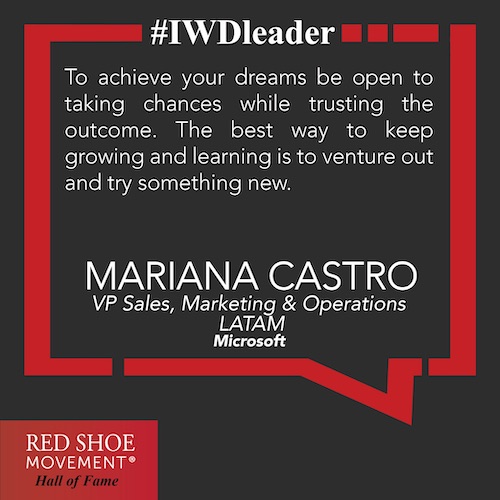
When we talk about taking career risk we don’t mean making impulsive moves but rather that you place thoughtful bets on your own growth. For example, consider the following:
Lateral moves with learning upside.
A move into a different function—even without a title increase—can expand your perspective. For example, a finance leader stepping into an operations role gains firsthand understanding of how decisions play out on the ground.
Stretch assignments that feel slightly uncomfortable.
Leading a project outside your expertise. Managing a team for the first time. Taking on a visible initiative with senior stakeholders.
Geographic or business unit shifts.
Working in a different market or part of the organization exposes you to new challenges and ways of operating, which builds adaptability.
Speaking up for opportunities.
Many career-defining moves don’t appear in formal job postings. They come from conversations and obviously, if nobody knows what you’re interested in, nobody will offer you stretch opportunities. So, get used to speaking up:
“I’m interested in expanding into X area—what would it take for me to contribute there?”
How to Take Risks Without Undermining Your Credibility
The biggest concern professionals have is usually What if it doesn’t work?
And it’s an important question because strategic risk-taking includes managing mistakes and other potential downsides. So, how do you do it?
Build a track record first.
Strong performance creates optionality. When you’ve delivered consistently, leaders are more likely to support your next move even if it’s unconventional.
Anchor your move in business value.
Frame your interest in terms of impact to shift the conversation from personal ambition to organizational benefit.: “This would help me connect our customer insights to product decisions” “I can bring my experience in X to strengthen Y initiative”
Seek sponsors.
We said it many times before. There’s a difference between mentors and sponsors. You need both. Just to be on the same page, mentors advise you on your career while sponsors advocate for you when you are not in the room.
Before making a move, identify leaders who see your potential beyond your current role and are willing to speak for you.
Plan your learning curve.
Unavoidably, every new role comes with a dip in confidence. So, get ahead of it and ask yourself:
- What do I need to learn quickly?
- Who can help me get up to speed?
- What early wins can I create?
Stay connected to your strengths.
A new role doesn’t mean starting from zero.
The capabilities that made you successful—problem-solving, relationship-building, execution—travel with you. Use them as anchors.
If you’re interested in building these and other critical leadership skills, join our Step Up program.