



Understanding What Influence Really Means
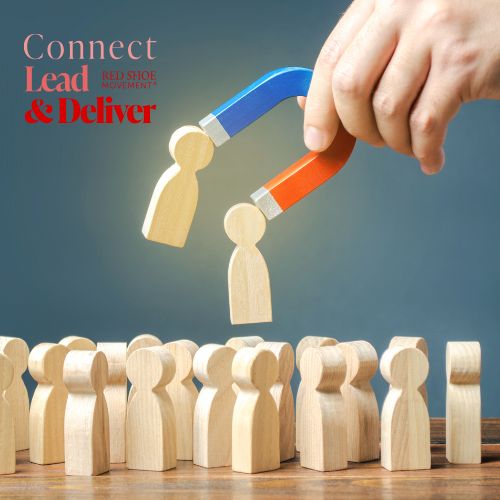
Influence is often confused with authority, yet the two operate on completely different planes. Authority depends on title. Influence depends on trust, credibility, and the way people feel when they interact with you. Modern organizational research from the Kellogg School of Management shows that people who build influence early and consistently gain access to better projects, receive broader support, and navigate change with fewer roadblocks. Influence works across hierarchies because it focuses on human behavior rather than job level. When you understand how people form judgments, process information, and respond to communication, you can shape interactions that create stronger collaboration and smoother decision making.
Influence begins with presence. Not the loudest voice or the boldest personality, but the ability to project steadiness and clarity. Studies on executive communication highlight that people trust peers who deliver information with calm confidence. This does not require force. It requires preparation and intention. When your thoughts are organized, your message feels grounded. Grounded messages travel farther, especially across layers of an organization where misunderstandings multiply quickly.
Mastering the Psychology of Trust
Trust sits at the core of influence; without it, no amount of skill, knowledge, or charm will sustain momentum. Research from the University of Zurich shows that trust grows from a balance of warmth and competence. People want to know you can do the work, but they also want to know you care about shared outcomes. Competence alone can seem detached. Warmth alone can seem unfocused. The blend creates reliability and it’s the formula that Alison Fragale, author of Likeable Badass has coined as the best combination for women to build status which leads to power in the workplace.
Trust builds through small, consistent actions such as following through on commitments; sharing information transparently; giving credit generously. These behaviors seem simple, yet they create a reputation that spreads across teams and management levels. When others speak well of you, influence expands even when you are not in the room. This is where many careers take their sharpest upward turn.
Communicating with Intent
Communication is one of the strongest levers of influence. People respond to clear messages that respect their time and help them make decisions. Research from MIT’s Human Dynamics Lab shows that effective communicators use concrete examples, well-timed questions, and a steady pace. These habits reduce friction and help ideas rise instead of getting lost in noise.
To influence across hierarchies, tailor your message to the listener’s priorities. Senior leaders look for clarity, alignment, specific data, and impact. Peers look for fairness, support, and a sense of partnership. Direct reports look for guidance and psychological safety. A single topic can be framed many ways while staying authentic. When people feel that you understand their perspective, they become more willing to support yours. You should also consider that communication benefits when you tailor it to the culture and background of the audience. It’s not the same to communicate to a group of your Japanese clients than to your Brazilian suppliers. They favor different styles and it’s critical that you develop cultural intelligence if you’re looking to expand your influence.
Listening is equally important. People who listen with curiosity gain the insights they need to speak effectively. So, pay attention to tone, not just content. Notice what is said and what is not said.
Applying Strategic Empathy
Empathy is a cognitive skill that helps you gather data about motivations, pressures, and expectations.
Strategic empathy means observing the patterns behind behavior. A manager who seems abrupt might be under heavy deadlines. A colleague who hesitates may be protecting past work. When you account for these factors, your approach becomes more effective and your influence grows as people feel you see the full picture, and not only your side of it.
Using Reciprocity to Strengthen Your Position
Reciprocity is one of the strongest psychological drivers of human behavior. Studies from social psychology show that people feel naturally inclined to support those who have supported them. In workplaces, this means showing up in ways that make other people’s work easier. Share resources. Offer insight. Become someone who helps solve problems instead of adding complexity.
Over time, reciprocity creates a network of goodwill. People begin to associate you with helpfulness and reliability. When you later need support for a project, idea, or decision, those relationships pay off. Influence accumulates through these repeated exchanges, and it becomes far more stable than influence built on your position alone.
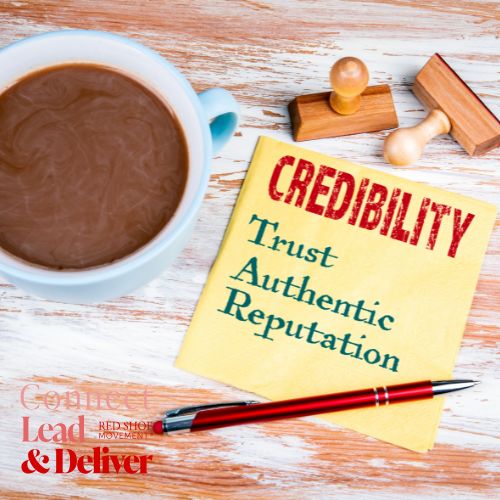
Building Credibility Through Consistency
Just as trust, credibility grows through behavior that lines up with your words. Research from organizational psychology shows that inconsistency weakens influence faster than lack of experience. When people know what to expect from you, they feel safe working with you and collaborating with you.
Activating Influence Through Visibility
Visibility matters. Not self-promotion for the sake of attention, but intentional visibility that aligns with your work and goals. Present in meetings with clarity. Share progress on projects. Offer solutions instead of waiting to be asked.
Visibility also means seeking cross-functional collaborations. When you work with people outside your department or business unit, influence grows horizontally and vertically at the same time. These connections reduce barriers and strengthen your reach across hierarchies.
Shaping Your Path Forward
The science of influence is ultimately the science of human behavior. It blends trust, presence, communication, empathy, reciprocity, consistency, and visibility into a pattern that helps you move through organizations with strength and ease. Influence is all about creating conditions where others want to support your ideas because they trust your judgment and appreciate your approach.
When you build influence intentionally, you do more than improve your career. You expand your ability to shape environments, champion ideas, and create impact in ways that feel aligned with who you are and the future you want to build.
If you’re interested in strengthening these and other power skills, join our Step Up Program!