



Negotiation is a skill many people in the workplace wish they felt more confident using. It can feel intimidating, awkward, or even risky. Yet research shows that strong negotiation skills are tied to higher earnings, better promotions, and greater satisfaction at work. The good news is that negotiation is not an innate talent. It is a combination of mindset, strategy, and practice. When you understand the psychology behind it, you increase your chances of getting what you deserve.
This concise guide breaks down the science in a friendly and practical way. You will find tools that reduce anxiety, boost clarity, and help you advocate for your value without feeling pushy.
Start with mindset
A strong negotiation begins before you walk into the room. Researchers at Stanford have found that people who see negotiation as a learning opportunity tend to perform better. This mindset shift reduces fear and encourages curiosity.
Women often face a specific psychological hurdle known as stereotype threat. Studies from Columbia University show that women may hold back in negotiations because they fear being perceived as difficult. Awareness of this pressure helps women separate the emotion from the process. You are not negotiating against someone. You are collaborating to find a fair outcome.
Try setting a personal intention beforehand. Something simple like: “I am here to communicate my value” or “I am here to explore options.” This shrinks the focus from winning to expressing your worth.

Prepare like a strategist
Preparation eases nerves and builds authority. Harvard’s Program on Negotiation highlights that successful negotiators spend more time planning than talking.
Here is what to organize before any negotiation:
- Know your numbers.
Whether you are asking for a raise, discussing a promotion, or negotiating a new job offer, you need data. Look at salary reports from reliable sources. Make sure you have your facts readily available whether that means your achievements in a quantified format, contributions to the organization, or new certifications. This turns your request into an evidence-based argument. - Define your priorities.
Not all wins are financial. Some people value flexibility, leadership opportunities, or learning budgets. Decide what matters most so you can negotiate with purpose. - Create your anchor.
Anchoring is a psychological principle that says the first number placed on the table influences the outcome. Research shows that people who anchor high often land closer to their target. Choose a number that is ambitious, realistic, and backed by data. - Map your alternatives.
A Best Alternative to a Negotiated Agreement, or BATNA, is your backup option if the conversation stalls. This lowers anxiety because you know you have options. A strong BATNA also gives you confidence, which others can sense.
Communicate with clarity and warmth
Many women fear that firm communication will be viewed negatively. Interestingly, studies from the University of Wisconsin show that a combination of warmth and competence leads to the strongest professional influence. You do not have to soften your message. You only need to speak with clarity, respect, and confidence.
Here are a few practical techniques:
Use specific, concrete language.
General statements weaken your position. Clear examples strengthen it. Instead of “I think I have done a good job,” try “In the last year, I led three projects that increased client retention by 15 percent.”
Frame your request around shared goals.
Managers respond well to conversations linked to organizational success. You can say, “To continue producing work at this level, I want to discuss aligning my compensation with the impact I am delivering.” This reinforces that your ask supports the business, not just yourself.
Pause often.
Silence creates space. Research shows that negotiators who use strategic pauses are seen as more thoughtful. It also encourages the other person to respond or reveal more information, which can help your case.
Manage emotions during the conversation
Negotiations create emotional reactions for everyone. The key is to stay steady. A few methods work particularly well:
Name the moment.
If you feel stress rising, acknowledge it internally. Something like, “I feel nervous, and that is normal.” This creates a mental buffer that keeps you steady.
Practice box breathing.
Structured breathing activates the calming part of your nervous system. It helps you communicate with focus. In for four, hold for four, out for four, hold for four.
Keep body language open.
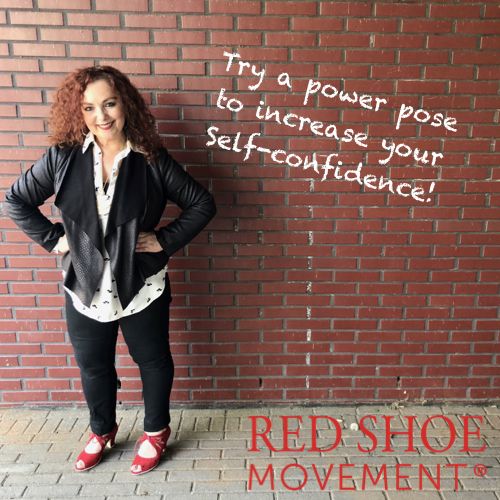
Open posture and relaxed shoulders signal confidence and cooperation. It also helps you feel calmer.
Respond to pushback with confidence
Pushback is not rejection. It is a natural part of negotiation. How you respond determines the tone moving forward. So, at this juncture, it’s important to avoid activating your defensive mode. Instead, address the questions or concerns with concrete data.
Ask clarifying questions.
If someone says the budget is tight, ask, “Can you share more about the current constraints?” Often, the initial no is not final. It is a starting point.
Offer options.
If a raise is not possible today, explore alternatives. You could ask about mid-year reviews, bonuses tied to performance, added responsibilities, or leadership programs you could take part on. Flexibility keeps the conversation productive.
Reiterate your value.
Simple, direct reminders help the person connect your request to concrete contributions. Don’t think about it as repeating yourself but as a way to strengthen the narrative.
Practice until you feel powerful
Confidence grows through repetition. Practicing negotiation scenarios helps you get comfortable with the structure and language. Try these methods:
Role play with a friend or mentor.
Choose someone who can challenge you with realistic questions. Practice until the conversation feels natural.
Record yourself.
This helps you catch filler words, rushed pacing, or unclear statements. Over time, your delivery will tighten.
Start small.
Negotiate everyday things like timelines or responsibilities. Each small success builds comfort.
Build a support network
Women who advance quickly often have mentors, sponsors, and peer groups. This is not a coincidence. Research from the Center for Talent Innovation shows that women with sponsors are far more likely to receive raises and promotions.
Here is how to expand your circle:
Seek mentors who can advise you on strategy.
These are people who share knowledge, give feedback, and help you plan your path.
Identify sponsors who can advocate for you.
Sponsors mention your name in rooms you are not in. They suggest you for opportunities. They lend political support.
Join communities of women with shared goals.
Learning from others creates motivation and accountability. It also reminds you that you are not doing this alone.
Keep in mind…
Negotiation is about being fair to yourself. When you learn the psychology behind it, you stop seeing it as confrontation and start seeing it as communication.
You deserve to be paid for your skills. You deserve opportunities that match your effort. You deserve a work life that supports your ambitions.
With the right mindset, preparation, and confidence, you can ask for what you deserve and get it.
If you’d like to build this and other power skills, join our Step Up Program!