



Understanding Why Emotional Intelligence Matters
Strategic leadership grows from the ability to understand emotions, guide reactions, and shape environments where people can do their best work. Emotional intelligence, or EQ, drives that ability. Research from Yale’s Center for Emotional Intelligence shows that leaders with strong EQ create more engaged teams, make better decisions under pressure, and adapt more effectively to change. Strategic leadership requires clarity and calm, and EQ provides both.
Emotional intelligence begins with self-awareness. This is the skill that helps you notice your thoughts, your triggers, and the patterns behind your reactions. Leaders who understand their emotional landscape make cleaner decisions because they can separate impulse from intention. They pause, check their assumptions, and choose responses that support long term goals. This steadiness ripples outward. Teams feel safer, meetings run smoother, and tough conversations become more productive.

Strengthening Self-Management
Self-management turns awareness into action. It keeps stress from spilling into communication and prevents pressure from clouding judgment. Research from the American Psychological Association shows that people who regulate emotions effectively maintain higher resilience and stronger cognitive performance during complex tasks. Good self-management requires habits that keep your internal state steady.
One of the most effective habits is practicing brief resets. Slow breathing, a short walk, or a moment of silence before speaking can shift your entire approach. These tools create space for thought, and that space helps you choose calmer words and clearer strategies. Leaders who manage their reactions model composure for everyone around them. Over time this builds a culture where people think before reacting and communicate with more intention.
Navigating Relationships with Insight
Emotional intelligence grows even stronger when applied to understanding others. Strategic leaders do not rely solely on formal authority. They rely on relationships that allow ideas to move freely across teams and levels. Research from the Harvard Business Review highlights that leaders who recognize emotional cues and respond with empathy create smoother collaboration and stronger trust.
Empathy in a leadership context means observing the motives, pressures, and expectations shaping someone’s behavior. It means noticing what is said and what is avoided. It means reading tone as carefully as content.
Communicating with Clarity and Respect
Communication is where emotional intelligence becomes visible. EQ helps you express ideas in a way that invites cooperation rather than resistance. Leaders who speak with clarity and respect set a tone that encourages honest dialogue. They explain their reasoning, ask thoughtful questions, and paraphrase to confirm understanding. These habits improve accuracy and reduce the misunderstandings that slow progress.
Studies from MIT’s Human Dynamics Lab show that teams perform better when communication flows smoothly. Smooth communication stems from grounded emotions, clear structure, and genuine curiosity. When people feel heard, they contribute more. When they contribute more, strategic decisions improve. EQ transforms everyday interactions into building blocks for long-term success. The same happens when leaders encourage people to act as the owners of their projects, like founders of their own organizations.
Elevating Decision Making
Emotional intelligence strengthens decision making in two major ways. First, it reduces cognitive noise by prompting leaders to identify emotional biases before they distort judgment. Second, it helps leaders anticipate how decisions will land across the organization. Strategic decisions succeed when they consider both facts and the emotional impact on people who must carry them out.
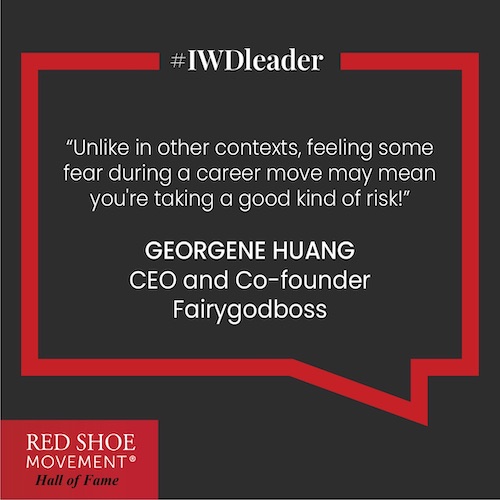
Research shows that leaders with higher emotional awareness take a more balanced approach to risk. They recognize when fear is pushing them toward overly cautious choices and when excitement is tempting them toward unnecessary leaps. EQ acts as a stabilizer, helping leaders stay grounded in reality without losing vision.
Creating a Culture People Want to Join
Great leaders shape a climate where people feel confident taking initiative. And emotional intelligence plays a major role in this. Psychological safety grows when leaders communicate openly, acknowledge challenges, and respond constructively when mistakes occur. Google’s Project Aristotle found that psychological safety is one of the strongest predictors of high performing teams.
Leaders with strong EQ set a tone where questions are welcome, healthy debate is encouraged, and growth is expected. People feel more comfortable sharing ideas and raising concerns when they trust that their voices matter. This leads to better innovation, better problem solving, and a healthier workplace culture overall.
Developing Your Emotional Intelligence Over Time
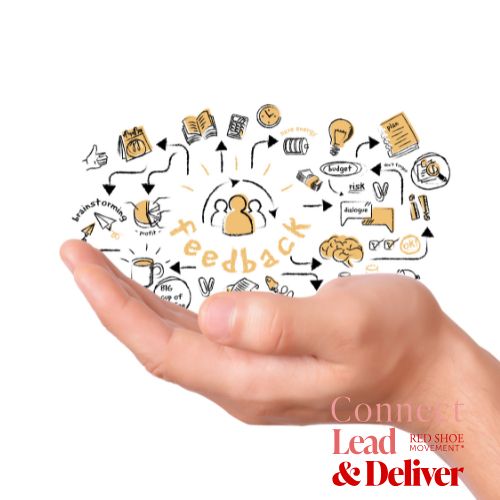
EQ is a skill set that grows with practice. A few methods accelerate the process. Reflect on your emotional patterns after key interactions. Ask for feedback from colleagues or mentors who can offer honest insight. Track recurring challenges and identify what thoughts or emotions arise before they appear. These steps build awareness and help you adjust your approach.
Another powerful method is observing leaders who use EQ well. Watch how they listen, how they question, and how they respond during tension. Study the way they move through conflict and the calm they project when stakes rise. Their behavior offers models you can adapt to your own style.
Leading with Strategy and Humanity
Strategic leadership thrives when emotional intelligence becomes part of daily practice. EQ helps you manage yourself, understand others, and communicate with clarity. It sharpens decision making and shapes a culture where people feel motivated to contribute at their highest level.
When leaders combine strategic thinking with emotional intelligence, they create an environment where goals become more achievable and growth becomes more sustainable. This blend of insight and humanity is what modern leadership demands, and it is what sets great leaders apart. Are you ready to start incorporating EQ into your leadership?
If you’re interested in strengthening these and other power skills, join our Step Up Program!